Twenty Years Later, the “Devil” is Big Tech
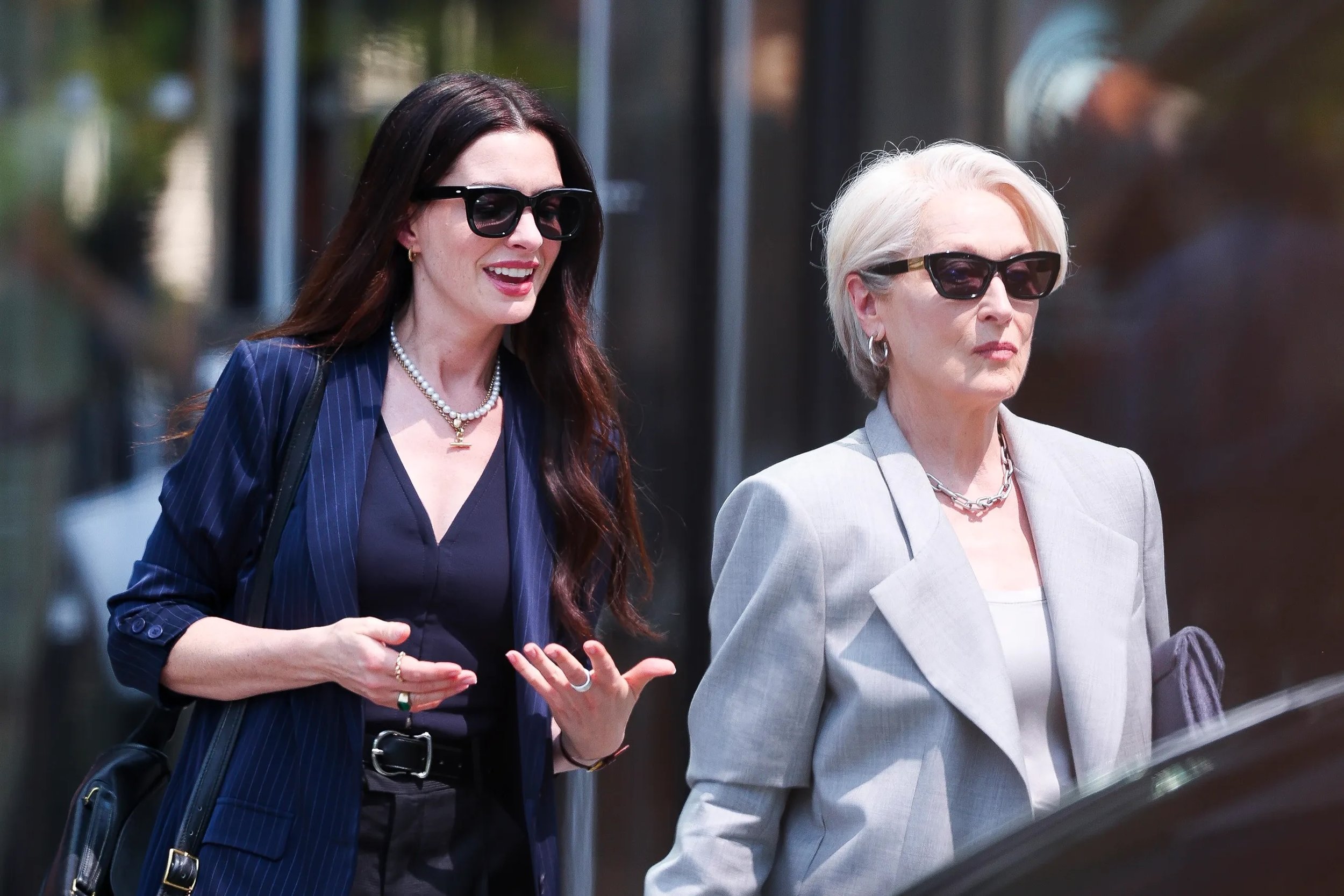
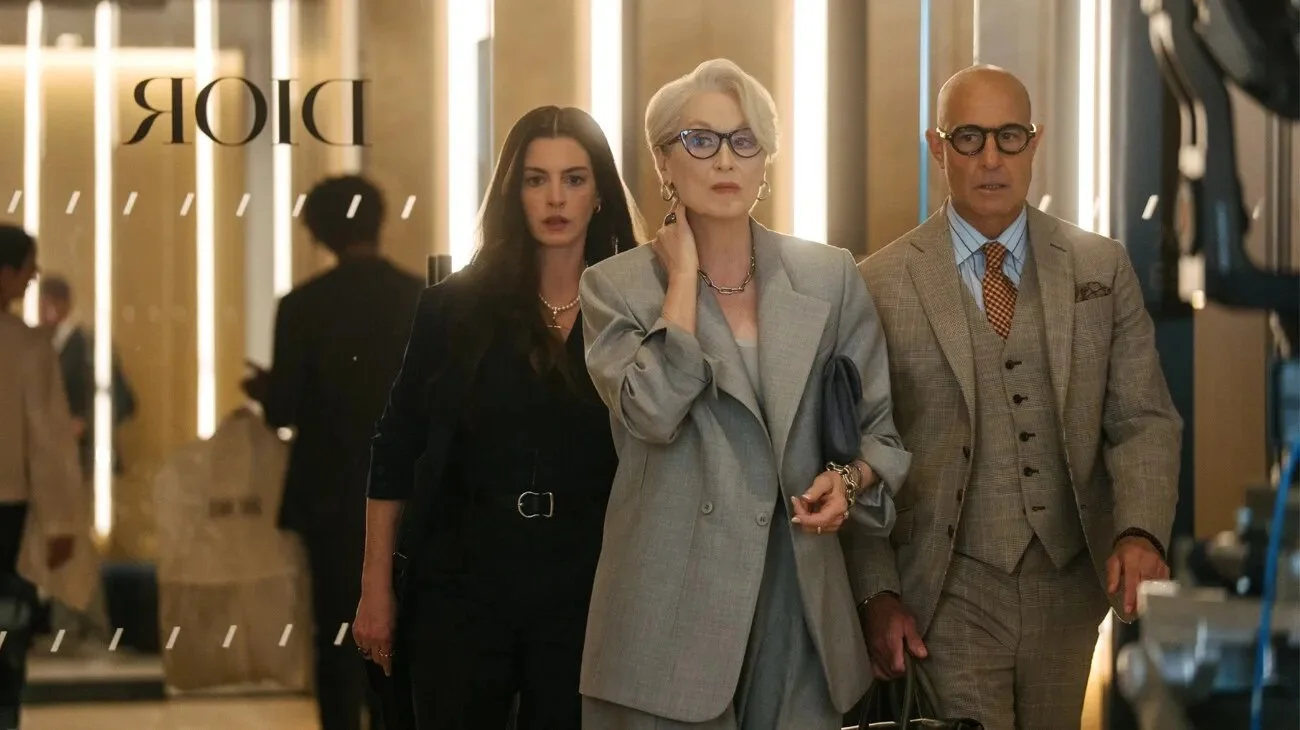
One of the year’s most unrelenting press tours has been, without doubt, the much-anticipated sequel to The Devil Wears Prada. But that’s not a bad thing. Who doesn’t want to see Meryl Streep, Anne Hathaway, Emily Blunt and Stanley Tucci decked out at event after event?! It’s a millennial dream, if you ask me. But it did make me wonder why Anna Wintour was so involved. For those who remember, Wintour stayed multiple arms lengths away from the first one. Rumor has it that brands were scared to lend clothing to the stars for the first film’s promotions. And now she not only embraced it, but appeared (for the first time) on Vogue’s cover alongside the film’s leading actress. Until I watched the sequel, it didn’t make sense.
The Devil Wears Prada is on my personal rotation of feel-good movies. It’s one of those films with a good soundtrack, better visuals, and one that I can appreciate having on in the background while I do literally anything else. With all the nostalgia wrapped up into this noughties film, a lot of us had high expectations for this sequel. Fortunately, we see our favorite stars from the first together again—along with some new faces. Patrick Brammall, Andy’s new love interest, is a welcome shift from Nate (who was the real villain of the first film). Simone Ashley, of Bridgerton fame, is lovely as Miranda’s “Emily,” and the new Andy, played by Caleb Hearon, offers equal charm and comic relief. Meanwhile, Lily returns as Andy’s best friend, and Stanley Tucci remains a national treasure.
There are other charming parallels between the films. The sequel opens with Andy in the bathroom brushing her teeth again. Nigel saves the day for Andy via the Vogue, I mean… Runway, closet. Lily fawns over a gifted, designer bag, again (Marc Jacobs in 2006, Valentino in 2026). And we love a Nigel and Andy soup (or goo, as he calls it) in the cafeteria moment.
What I didn’t expect was for the sequel to address our present milieu in a head-on fashion. We live in a different time than the first film shown twenty years ago, and the challenges faced by Andy and others point toward crisis of a different sort. In the first iteration, Andy struggles to upgrade her wardrobe from a “lumpy blue sweater,” grab the correct coffee order and leave Miranda’s book in the proper place in her home. Now, the duo (spoiler ahead) must team up to thwart the plans of Emily’s big tech BF and find a new proprietor for Elias Clarke. The stakes are much larger—just as they are today for journalists. Glossies are under threat from multiple sides. First, subscriptions aren’t as plentiful and don’t mean as much for legacy media brands. Advertising dollars from luxury media brands nearly ensure a lack of fashion criticism. Pieces where politics and fashion intersect are threatened in fashion media—an overflow of what is happening in the political media sphere. But glossies are also under fire for questions surrounding relevance. Many fashion magazines were aspirational in nature. They’ve highlighted garments and accessories owned by the top 10%, but their magazine sales and digital subscriptions were largely supported by the working class aspiring for a specific lifestyle. As the film points out, as print faced decline, the industry had to shift.
When any portion of this film mirrors a truth (like it does in its intro with Miranda mentioning that she would be blamed for a labor-related issue or when Andy Sachs says “Journalism still fucking matters”), it becomes challenging to not get at least a little conspiratorial with this sequel. Clearly, it reflects the current state of the industry. So it raises other questions like, is there a potential issue involving the Newhouse family and Conde Nast? Is Lucy Lu based entirely on Lauren Sanchez Bezos? Will the couple (or she) buy Condé Nast or Vogue in the near future? Was that opening scene meant as a buffer to protect Anna when the deal goes through?
I think the film can be multiple things at once. It can be an attempt to soften the blow and reduce backlash when a tech mogul purchases the biggest name in glossies. But the sequel managed to check boxes involving what we loved about the first film. It was fun. It was beautiful. The music felt good. The dialogue had us laughing and gasps could be heard in the Manhattan-based theater that I attended on opening weekend (just a stone’s throw from the Conde Nast offices). I witnessed tears shed in that theater, too. Molly Rogers did a fabulous job with the movie’s costume design. The set locations, including filming at Milan Fashion Week and along Lake Como, was spectacular. Overall, it exceeded my expectations. And for better or worse, it’s like a love letter to fashion media reflective of budget cuts and accomplished editors and journalists holding their breath waiting to discover if their jobs will still exist by morning.
More specifically, here are some of the things that I appreciated from The Devil Wears Prada 2:
Another fashion language that was just as strong as the original (if not stronger).
The cerulean sweater with sleeves cut off by movie’s end.
The orchestral renditions of the original music.
Lily and Andy’s friendship being maintained.
A character arc for Emily.
The twist at the end that Nigel connected Andy with her newest position.
The new love interest!
Onset shooting during Milan Fashion Week.
The montage was one of those moments that I wished I could rewind in theaters.
The designer cameos from Donatello Versace, Marc Jacobs and Brunello Cucinelli.
The screenwriters’ ability to place this story within our current media milieu.