The Latest Fashion Trend is… Reading?
Fashion brands and book clubs are becoming quite the match. But what’s their motive?

On one of those perfect late-spring days, I stood with hundreds of fellow New Yorkers in a line in Soho for a rare treat. It was a free item that New Yorkers actually want: a book. ANY book. But it would need to be found within McNally Jackson, the independent bookseller, and between a two-hour afternoon window. The restrictions were set around the presence of the man paying for the event’s books: Jack Harlow. The line had snaked from Prince Street down West Broadway and around the block on Spring Street an hour before the event was scheduled to start. From the look of it, anyone in this line could’ve purchased their own next read. But the celebrity component—combined with the free treasure in a shaky economy—magnetized the hoards.
This reminded me of a couple of recent times when fashion brands centered events around literary themes. I first noticed the book-meets-fashion trend with Miu Miu Literary Club. The chic, younger sibling to a more mature, elegant Prada, Miu Miu seems to move through the world with its ear to the streets, so the luxury brand starting these events looked innovative. After all, the brand is known for innovation in other ways. When it comes to the runway, Miu Miu became known for impossible-to-predict cameos, like Willem Defoe in the villains-themed fall-winter 2012 season and again for spring-summer 2025. They’ve provided runway debuts for several stars, like Hilary Swank and Storm Reid. When it comes to styling on Miu Miu runways, they have been distinguished as cool for how looks could’ve been just thrown together (as if that’s ever what’s going on) and managed to work cohesively. Being the first luxury brand to launch a book club seemed aligned.
Miu Miu Literary Club launched their first in-person event in Milan in April 2024. Inspired by the history of literary salons, they extended the event globally in 2025 launching Literary Club Shanghai. This year, the timing of their Literary Club in Milan aligned with the Salone del Mobile 2026 design festival. Each gathering shared a focus on the works of female writers of the past and reflecting on how their experiences speak to women today.
The Miu Miu events don’t seem performative or overly promotional of the brand. They aren’t choosing fluff pieces as an excuse to gather around or promote clothes. Also, Miuccia Prada’s academic background, with a PhD from the University of Milan, adds to the event’s authenticity.
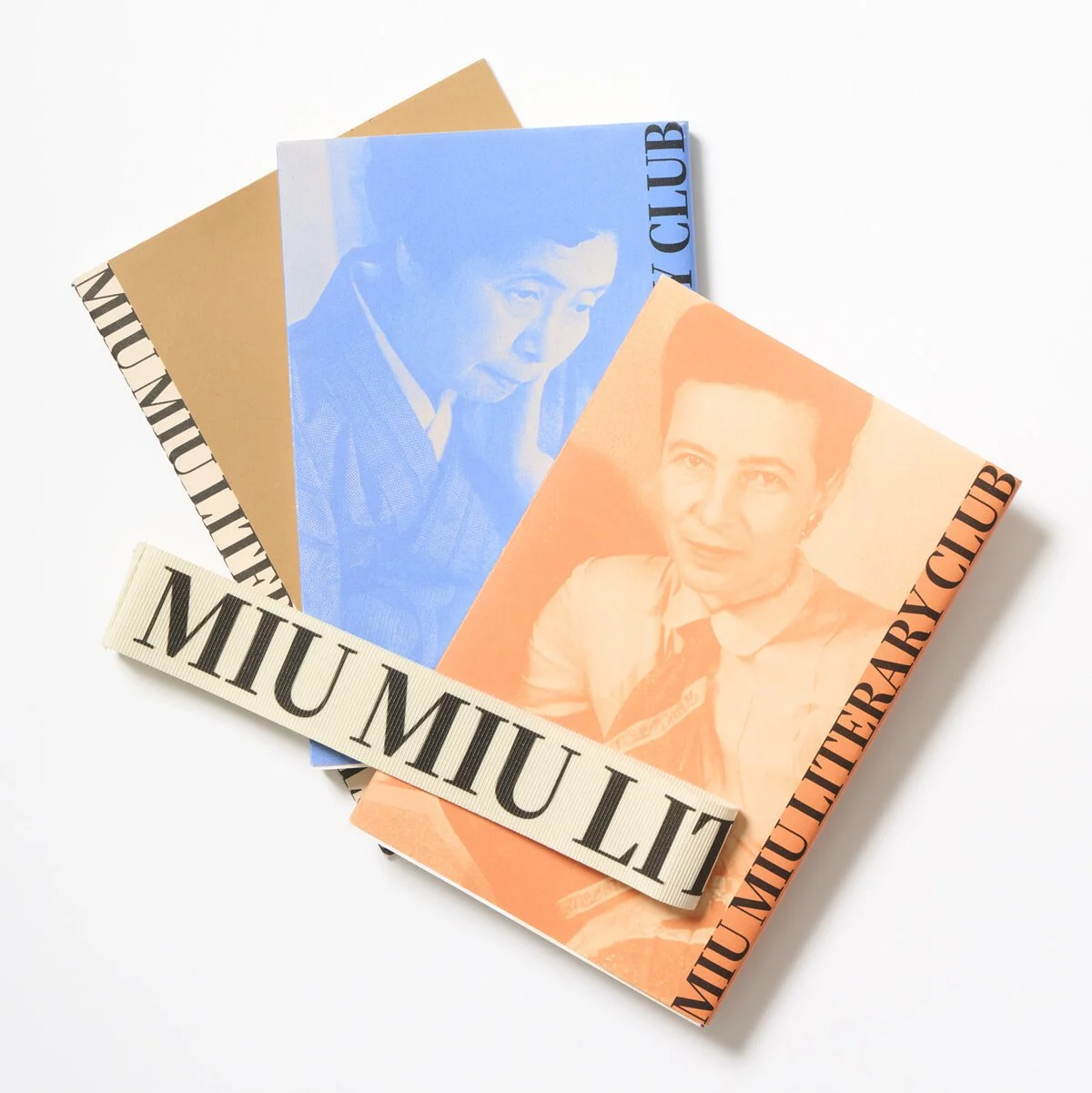
Books distributed from Miu Miu Literary Club 2025
Outside of the club or salon format, brand-run print magazines are a growing trend these past few years. Luxury fashion brands that have published their own print magazines include Loewe, Chanel, Dior, Hermes and more. These serve to spread a brand’s culture and visibility while using design, photography and editorial work to position themselves in the ways they’d like to be viewed in the world. Also, these publications offer another way for aspirational or real customers to engage with the brand in their everyday lives. Someone might not see their Chanel bag every day, but they’ll pass that magazine on their coffee table. While the visuals can be striking and the paper expensive, generally, there’s not much substance to the articles found in their pages.
For spring-summer 2026, Jonathan Anderson designed book totes for Dior. Joining the literati (or just giving it a seal of approval aesthetically), styles include Ulysses by James Joyce, In Cold Blood by Truman Capote, Madame Bovary by Gustave Flaubert, and Les Fleurs du Mal by Charles Baudelaire, among others.
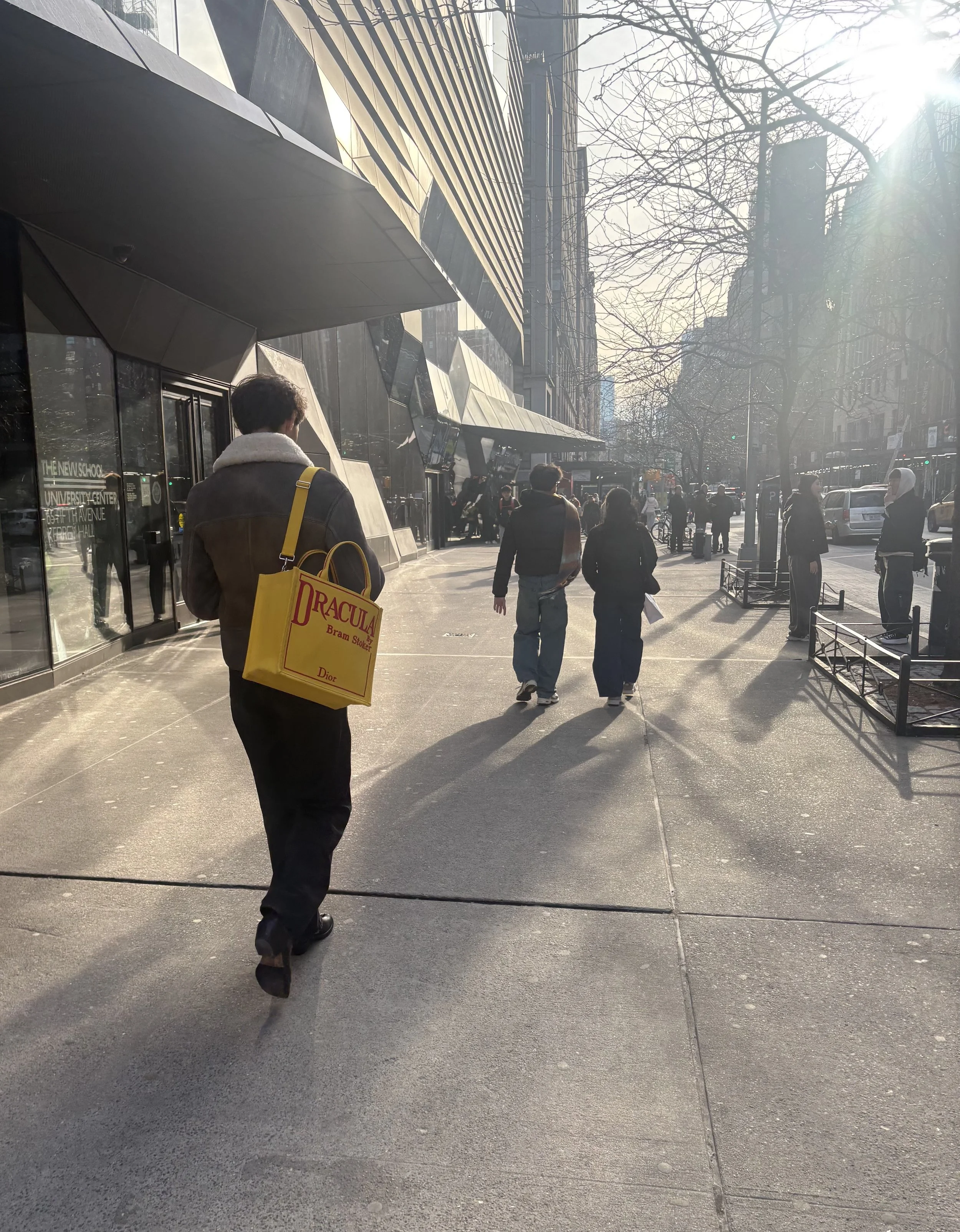
Dior book tote spotted outside of Parsons
While these totes have begun making themselves visible on New York streets, Vogue jumped on the book-loving bandwagon for their April issue. For “Fashion Gets Lit,” the magazine gave readers a “well-dressed cast of models, actors, editors, writers, dancers, and poets” as they read their way through the city via the subway, a ballet studio at Lincoln Center and a table at Le Veau d’Or, among other sites. In the issue’s “Letter From the Editor,” Chloe Malle wrote that “part of the inspiration for the shoot was the return to real books” that she and her colleagues had been noticing on the subway. Culturally, the shoot really just served as a barometer indicating that books are a chic, Vogue-endorsed accessory.
But they began this endorsement with the launch of Vogue Book Club which coincided with Malle’s promotion to Head of Editorial Content for Vogue. The first event launched with a screening of Wuthering Heights (which followed an online chat group on their app about the book). On February 8, five days before its actual release date, attendees descended on the Chelsea Hotel for a tea reception followed by the screening at the SVA Theater. Emerald Fennell, the film’s director, was in attendance and joined Malle onstage following the movie for a live recording of the publication’s podcast, The Runthrough.
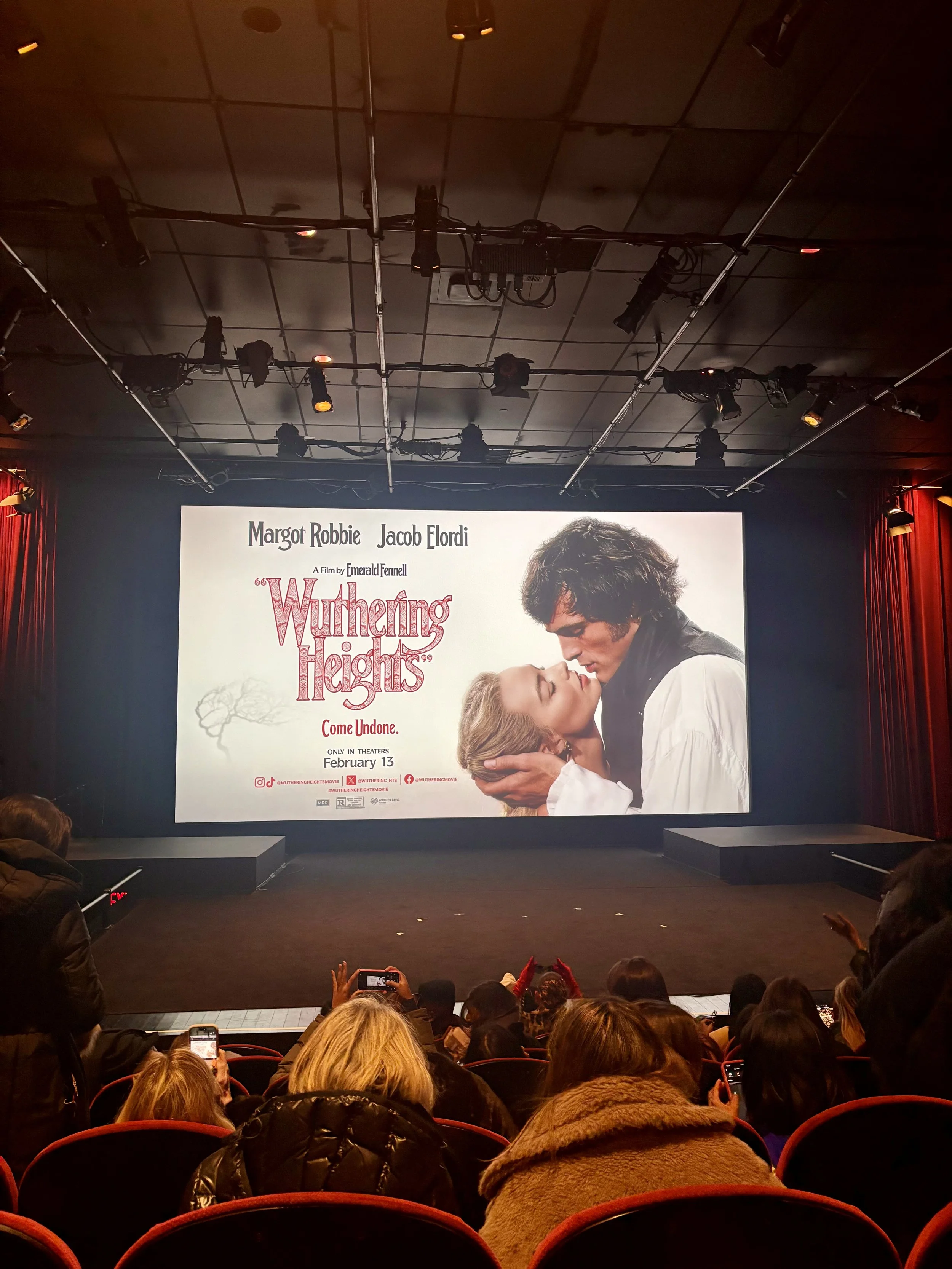
Vogue Book Club screening of Wuthering Heights
As an attendee, I can attest that this free event was exquisitely planned and executed in both locations. But the book club seemed less about the book, more promotional of the film, and most importantly, it served to allow the brand of Vogue to pivot. It’s attractive for its social component. Access to Vogue—or the illusion of access— in this way is considered a plus by attendees. To no surprise, there were plenty of visual moments that leant themselves to selfie opportunities that would further promote the brand. So there are many pleasures alongside distractions from the fact that we’re not feeding much attention to the book.
Generally, I think forming a book club gives an opportunity for brands (including media) to extend outside of the context that they’re known for—and if luxury brands follow the way of Miu Miu, they may also engage more individuals while increasing their visibility. Like many things, it’s a marketing strategy, but it doesn’t necessarily deem the event frivolous or less literary. They’re tapping into a collective desire for greater socialization and slow-life activities.
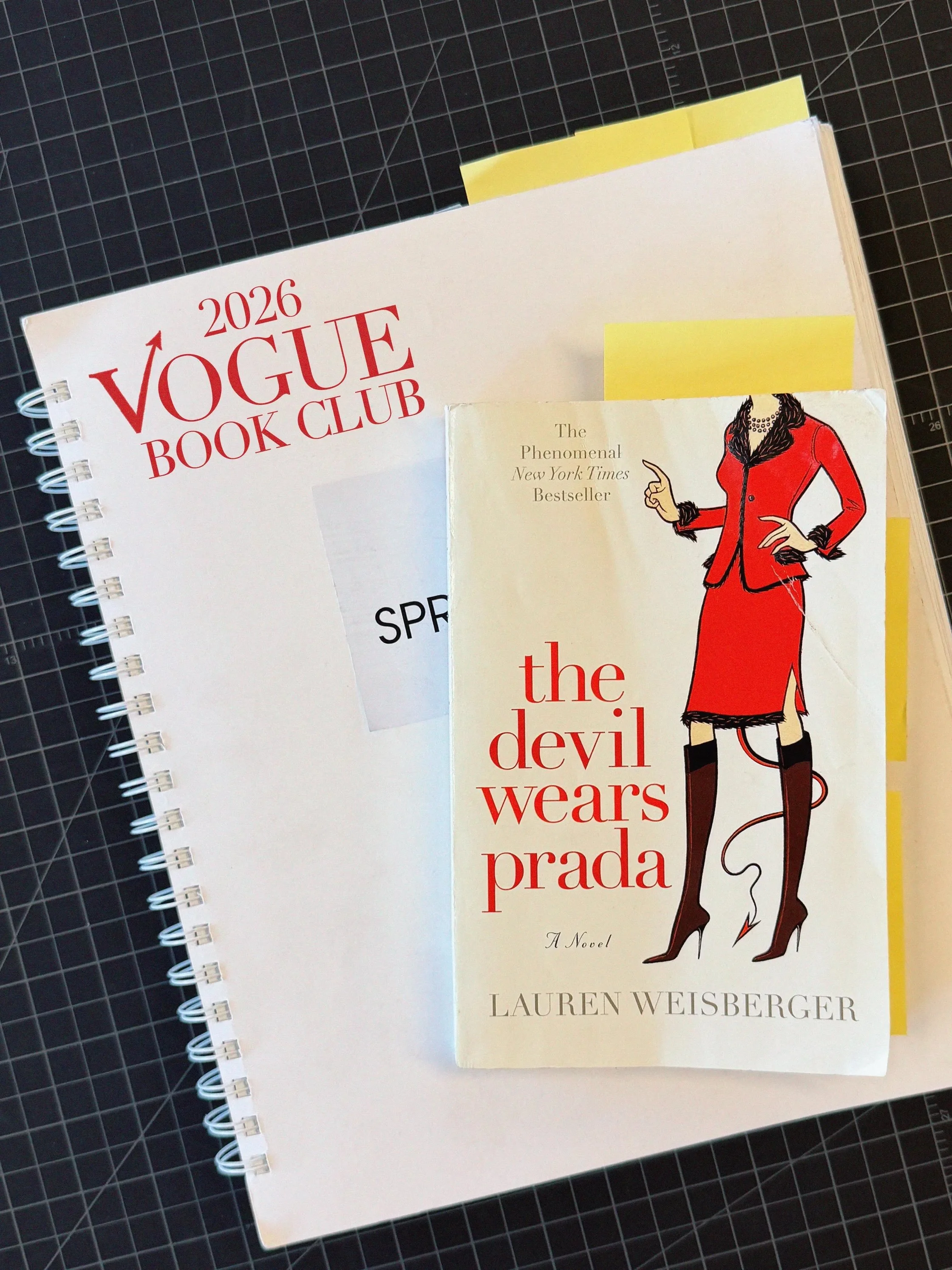
Vogue book club’s promotion for their The Devil Wears Prada 2 event
However, there’s certainly a wrong way to host these events. As more brands likely jump on the book club bandwagon they can fall flat if they are overly promotional (Vogue’s second book club centered the release of The Devil Wears Prada sequel and charged $75 for entry), disengaged from the literary content, and somehow, provide barriers to conversation and the potential for community building.
There’s no doubt that book events serve in brand-building, and they aren’t just for pure pleasure. I guess we shouldn’t expect it to contain the innocence of a friend starting a book club. And we can’t blame brands and businesses for promoting themselves and promoting literacy. But these events benefit from separating ourselves from the spectacle and considering if it was actually…. fun? Did we get something out of it? Or did our presence just serve to market a struggling brand? And it begs the ultimate question: financially, how bad are things at Vogue?
Print magazine sales are down, and decisions made last month by Conde Nast reveal a shifting tide in print and digital media. First, the decision was made to close Self Magazine after 47 years. International editions of Glamour in Germany, Mexico and Spain were shuttered. And Wired Italia was pulled from print. Meanwhile, as we approach this year’s Met Gala, the criticisms of Vogue’s new direction and Wintour’s embrace of Bezos only seem to be growing. I don’t think the world we’re stepping into will take much more of the business-as-usual zeitgeist behind this magazine, in particular. For now, we can all stay-tuned. But from my book-meets-fashion research, something tells me that more community-based events are coming down the pipeline from legacy media publications in their efforts to continue generating revenue—and to just remain relevant.